Living in Magnolia Texas: What Daily Life Feels Like
June 4, 2026
June 4, 2026
If you want more breathing room without feeling cut off from everyday conveniences, Magnolia may be exactly the kind of place you’ve been looking for. For many buyers, the challenge is finding a community that feels calmer and more spacious while still keeping shopping, dining, and regional access within reach. That is where Magnolia stands out. Here’s what it’s really like to live in Magnolia, Texas, and why so many people are giving this growing area a closer look.
Magnolia is an incorporated city in southwest Montgomery County at the junction of FM 1774 and FM 1488. The city places it about 45 miles northwest of Houston, 25 miles southwest of Conroe, and roughly 20 miles from both I-45 and US 290.
That location helps explain Magnolia’s overall feel. You get a smaller city core, but the broader Magnolia area stretches well beyond it and includes a much larger surrounding population. In daily life, that often feels more like a suburban-exurban hub than a compact small town.
According to Census QuickFacts, Magnolia city’s July 1, 2025 population estimate is 8,095, up from 2,359 in the 2020 census. The city also describes the greater Magnolia area as extending about 12 miles in all directions with more than 138,000 residents. In other words, Magnolia is growing, and its reach is bigger than many people expect.
One of the first things many people notice about Magnolia is the pace. It generally feels less dense and less hurried than some of the larger North Houston suburbs.
That does not mean you are isolated. The city describes Magnolia as far enough from the metro hustle to feel removed, while still being close to the things residents need to stay connected. If you like the idea of a quieter home base with access to regional destinations by car, Magnolia fits that description well.
For buyers comparing nearby areas, Magnolia often feels more spread out and more residential than places built around large retail districts or concentrated town-center activity. The tradeoff is simple: you may gain more space and a calmer setting, while relying more on driving for errands and commuting.
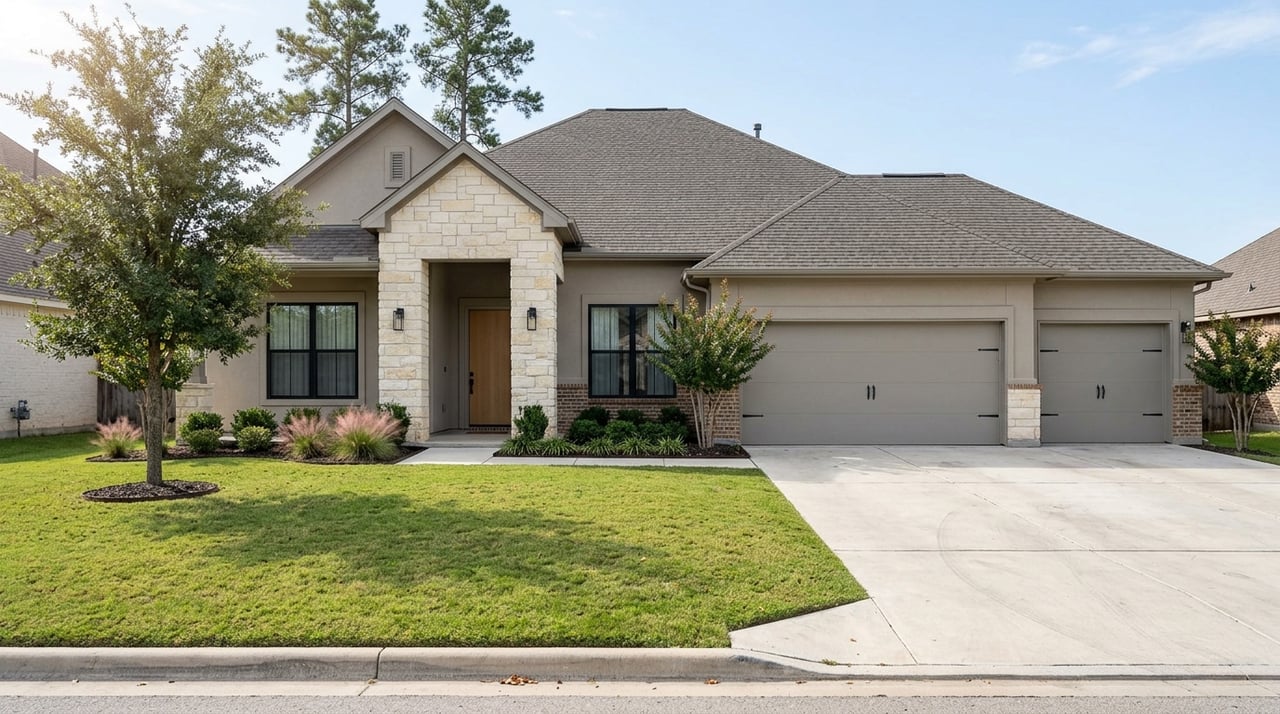
Magnolia is not a one-style housing market. The city specifically notes that homeowners can choose from conventional subdivisions, farm-and-ranch living, or custom homes on sprawling acreage.
That variety is a major part of Magnolia’s appeal. Instead of a highly uniform housing stock, you are more likely to find a mix of older neighborhoods, newer subdivision construction, and larger-lot or acreage properties.
For buyers who feel boxed in by communities with only one type of home, Magnolia can offer more flexibility. You may find a traditional neighborhood setting, or you may find a property with extra land, more privacy, and a more open feel.
Census QuickFacts shows that 64.1% of housing units are owner-occupied. It also reports a median value of owner-occupied homes of $322,800 and a median gross rent of $1,121. Those figures point to a market with a strong owner-occupied base and a range of housing options.
Living in Magnolia is generally car-centered. Census QuickFacts lists a mean travel time to work of 31.4 minutes, and the city’s location relative to major highways supports the idea that driving is a regular part of daily routines.
For many residents, that works just fine. Magnolia’s amenities page says you can find restaurants, grocery stores, and major shopping centers within a quick walk or drive, and it notes that the greater Magnolia area has seen new businesses, including national retailers and eateries.
Nearby hospitals are available in Tomball, The Woodlands, and Conroe. That regional setup matters because Magnolia’s lifestyle is often about living in a quieter place while tapping into surrounding communities when you need broader services, shopping, or medical care.
If you enjoy outdoor spaces and community-focused gathering spots, Magnolia has a distinctly local feel. Its public amenities are not about a big urban entertainment scene. They are more rooted in parks, trails, and town-centered gathering spaces.
Unity Park is one of the city’s standout amenities. The 30-acre municipal park and wildlife preserve includes an amphitheater, covered pavilion, skateboard park, volleyball court, horseshoe pit, 2.5 miles of walking trails, bridges and observation piers, a splash pad, playground, wetlands, and picnic areas.
That kind of park adds a lot to everyday life. It gives you space to walk, spend time outdoors, bring kids to play areas, or simply enjoy a more natural setting close to home.
Another defining feature is the Magnolia Stroll. This half-mile pedestrian walkway in the original town center connects Magnolia Sixth Grade Campus, Sullivan Park, and the Farmers Market. The city says it is used for walks, jogs, events, and visits to restaurants, galleries, and retail businesses.
Magnolia’s calendar helps reinforce its local identity. The city notes that the Magnolia Stroll helps welcome the Texas Renaissance Festival in the fall, and Magnolia is the festival’s official host city.
The festival itself runs over multiple fall weekends, bringing a noticeable seasonal rhythm to the area. City event pages also show ongoing civic and community programming, including council and planning meetings, National Night Out, and Renaissance-themed park events.
Taken together, these details point to a town with an active community rhythm, but on a more neighborly scale. If you want a place where public life feels present without feeling overwhelming, Magnolia offers that balance.
Magnolia ISD serves a growing residential area and has a broad campus footprint. The district lists two high schools, three junior highs, three intermediate campuses, multiple elementary schools, a sixth-grade academy, and DAEP.
From a home search perspective, that tells you Magnolia is serving more than a tiny town center. The district structure reflects a larger and growing residential base, which aligns with the broader Magnolia area’s ongoing growth.
It is also one more sign that Magnolia is not just a rural outpost. It is a developing area with established community infrastructure and room for different types of households and housing needs.
Magnolia can be a strong match if you want:
Magnolia may be especially appealing if you are moving from a more crowded suburb and want a little more breathing room. It can also be a smart option if you value variety in home styles instead of a highly standardized neighborhood layout.
Every community comes with tradeoffs, and Magnolia is no exception. If you are considering a move, it helps to think clearly about what matters most in your daily routine.
Magnolia may feel like a great fit if you value space, trees, and a calmer residential setting. But if your top priority is a shorter commute or a denser, more walkable district for shopping and entertainment, you may find more of that in places like The Woodlands.
That is not a downside so much as a lifestyle distinction. Magnolia is best understood as a growing suburban-exurban compromise with small-town character and steadily expanding convenience.
For many buyers, Magnolia offers a combination that is getting harder to find. You can live in a setting that feels more open and relaxed while still staying connected to the wider North Houston region.
You also get meaningful variety in housing choices, from conventional subdivisions to custom homes and acreage properties. Add in local amenities like Unity Park, the Magnolia Stroll, and a steady rhythm of community events, and Magnolia starts to feel like more than a pass-through location on the map.
It feels like a place where you can settle in, spread out a bit, and build a lifestyle that is more your speed. If that sounds like what you want, Magnolia deserves a serious look.
If you’re thinking about buying or selling in Magnolia, working with a local expert can help you narrow down the right neighborhoods, home styles, and price points for your goals. When you’re ready for thoughtful, relationship-first guidance, connect with Holly Flaskamp.
My approach to real estate goes beyond transactions—it's about building lasting relationships. I genuinely care about each and every one of my clients, treating them like family. From the moment we start working together, you’re not just a client; you’re a friend. I am truly honored and humbled each time someone entrusts me with the responsibility of being their real estate agent.