Is Bridgeland TX the Right Master-Planned Community?
March 5, 2026
March 5, 2026
Is Bridgeland on your shortlist but you are not sure if it fits your life and budget? You are not alone. Many buyers weigh Bridgeland against older Houston suburbs and want a clear picture of daily living, costs, schools, and long‑term value. In this guide, you will get a concise look at Bridgeland’s plan, amenities, housing options, taxes, commute, and risk factors so you can decide with confidence. Let’s dive in.
Bridgeland is a large, nature‑forward master‑planned community in Harris County with multiple villages and an urban core in progress. The developer describes a roughly 11,500‑acre plan with thousands of acres devoted to lakes, parks, and greenways, plus an extensive trail system that ties it all together. You will see villages like Lakeland, Parkland, Prairieland, and Creekland, along with an emerging mixed‑use center called Bridgeland Central. For a high‑level overview of the plan and design, explore the community’s official summary on the developer site at the Bridgeland about page.
Bridgeland has also ranked among the nation’s top‑selling master‑planned communities in recent industry reports, which signals strong, sustained demand. That momentum supports ongoing builder activity and new phases of retail and office space. You can see a recent ranking recap on the developer’s press page.
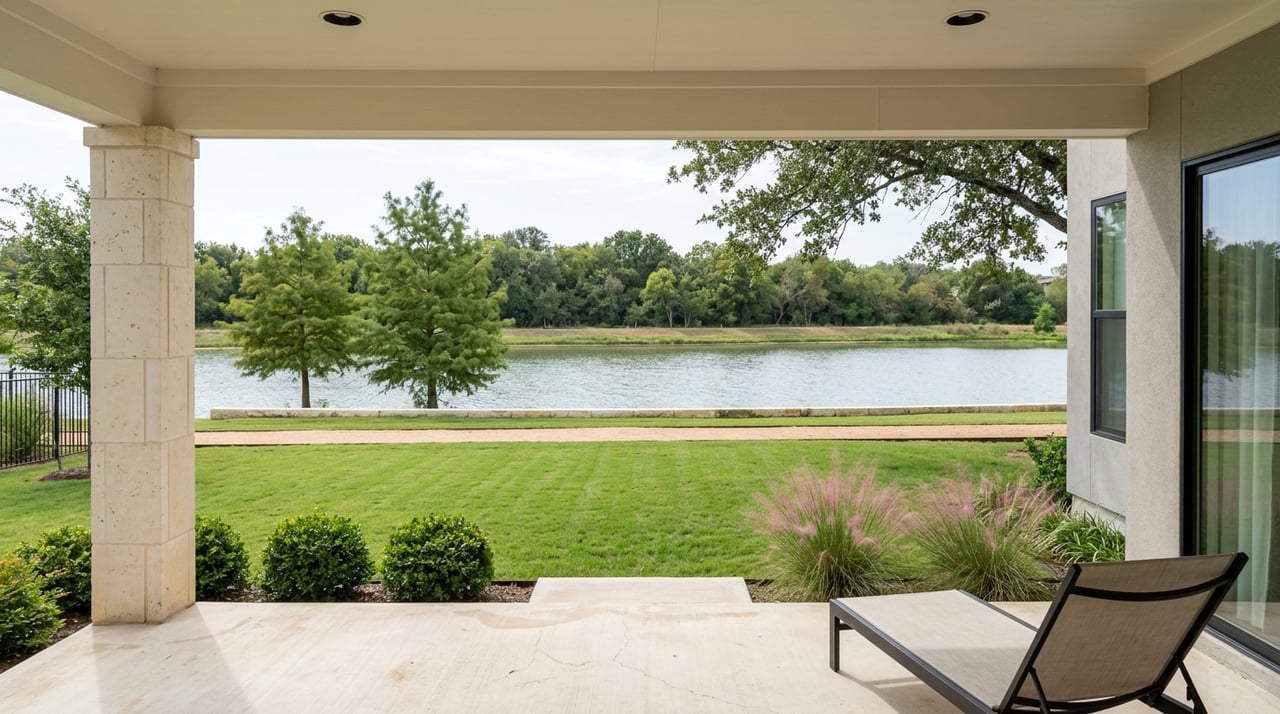
Water and green space shape daily life here. Bridgeland’s plan centers on interconnected lakes and green corridors designed for recreation like kayaking and catch‑and‑release fishing, while also supporting stormwater management. The community highlights an initial program of several hundred acres of lakes with additional open space preserved for trails and parks. Learn more about the nature‑focused design on the Bridgeland about page.
If you want an active lifestyle, the amenity network is a major draw. Bridgeland features village activity centers with pools, fitness spaces, and splash areas, plus dog parks and themed playgrounds. Newer additions like Longwing Landing in Prairieland expand park access and lakeside programming. For a full list of what is open and where it is located, visit the amenities overview.
Bridgeland Central is the future mixed‑use heart of the community. The first retail phase includes a major H‑E‑B that opened on October 30, 2024, which anchors everyday shopping and services. As additional phases come online, expect more dining, medical, hospitality, and office options. You can read about the opening on the H‑E‑B in Bridgeland update.
School zoning varies by village and even by street, so confirm the exact assignment for any address before making decisions. Much of Bridgeland is served by Cypress‑Fairbanks ISD, which built an on‑site educational village that includes Wells Elementary, Sprague Middle School, and Bridgeland High School. Certain sections, especially in newer villages like Prairieland and Creekland, may be zoned to Waller ISD, with a small area overlapping Katy ISD. For current campus information and district resources, start with the CFISD Bridgeland hub.
Bridgeland offers a broad mix of homes from national and regional builders, along with resale options across its villages. You can tour dozens of model homes at any time, with floor plans that range from entry and mid‑market single‑family to larger lots near lakes and greenways. The selection evolves as each village grows, so it pays to visit models and compare builder offerings. To preview who is active today, check the model home and builder tour page.
New construction
Resale
Bridgeland is diversifying housing choices to fit more life stages. In early 2026, Del Webb announced a 55 plus neighborhood within Bridgeland, which adds an age‑restricted option for active adults. The community has also introduced select multifamily and build‑to‑rent offerings in certain areas. Read about the 55 plus news in this Del Webb announcement.
Like many newer Houston‑area communities, Bridgeland uses Municipal Utility Districts that levy taxes to fund infrastructure. Total tax rates vary by exact lot and district but often fall within a broad range cited by local market pages. Before you budget, verify the parcel’s current tax breakdown and MUD rate, and request any community tax‑rate guide relevant to the village you are considering. The community provides helpful resources on the homebuyer information page.
HOA and amenity fees support upkeep of trails, parks, activity centers, and community programming. Fees vary by village and product type, so review the current HOA schedule before you write an offer. You can find downloads and contacts on the homebuyer information page.
Flood risk is a key part of due diligence in Harris County. In early 2026, FEMA released draft countywide flood‑map updates that expanded many floodplain boundaries, which may affect insurance needs for some addresses. Always check the most current FEMA map for the specific property and ask for elevation certificates and the seller’s disclosure. For context on the draft maps, see the Houston Chronicle overview of the 2026 updates.
Bridgeland’s design uses low‑impact development practices, including bioswales and lakes that serve as stormwater detention and water‑quality features. The developer highlights sustainability efforts and LEED‑related goals across the community plan. These engineering choices can reduce risk compared with raw, undeveloped land, but they do not remove risk entirely. Learn more about the approach on the sustainability page.
Bridgeland sits between US‑290 and I‑10, with the Grand Parkway providing regional access through the community. Expect commute times to vary widely with traffic and your exact address. As a general guide, reaching the Energy Corridor can take roughly 25 to 40 minutes under normal conditions, while Downtown or the Galleria often runs longer. Always test drive your routes during the hours you plan to travel.
Healthcare access includes major regional providers in the northwest corridor, such as Memorial Hermann Cypress and HCA Healthcare facilities in the area. You will also find urgent care, dental, and specialty clinics opening as nearby retail expands.
Bridgeland offers a polished, amenity‑rich lifestyle with strong buyer demand, daily access to parks and lakes, evolving retail, and a wide selection of new and resale homes. In return, you should budget for MUD taxes and HOA fees, check the latest flood‑map designations, and understand that the urban core is still growing. If you love nature trails, on‑site schools, and the choice that comes with a large master plan, Bridgeland can be a great match.
If you want a calm, expert sounding board as you weigh Bridgeland against other Houston suburbs, reach out. I am here to help you compare neighborhoods, clarify costs, and secure the right home on the right terms. Start the conversation with Holly Flaskamp.
My approach to real estate goes beyond transactions—it's about building lasting relationships. I genuinely care about each and every one of my clients, treating them like family. From the moment we start working together, you’re not just a client; you’re a friend. I am truly honored and humbled each time someone entrusts me with the responsibility of being their real estate agent.