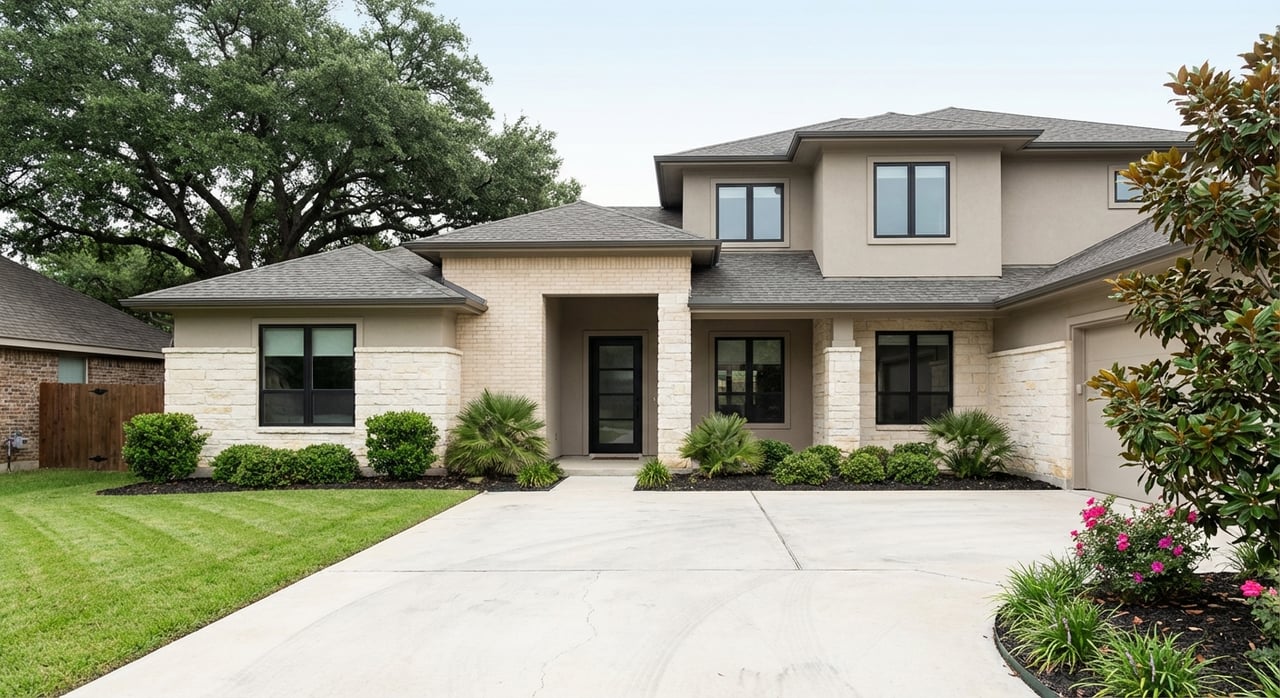
Magnolia vs Tomball Homes: Choosing Your Ideal Suburb
February 19, 2026
February 19, 2026
Torn between Magnolia and Tomball for your next move? You are not alone. Both offer strong neighborhoods, respected schools, and growing amenities, but the day-to-day feel and long-term tradeoffs are different. In this guide, you will compare prices, lot sizes, schools, taxes, commutes, and growth so you can choose with confidence. Let’s dive in.
Magnolia is smaller, with about 6,500 residents as of mid 2024, while Tomball is larger at roughly 15,000. Magnolia sits in Montgomery County, and Tomball is in Harris County. Magnolia’s footprint is more rural and acreage-friendly, while Tomball’s core neighborhoods feel more suburban with immediate retail, dining, and medical services. For a quick population baseline, see the Magnolia city profile from the U.S. Census QuickFacts for mid 2024 estimates.
If you are price-focused, it helps to label the data and timing. According to Redfin’s city-level median sale prices, the Tomball median was about $340,000 in January 2026, and Magnolia’s median was about $238,000 in December 2025. These figures reflect actual closed sales and can shift month to month with mix and seasonality.
You may also see Zillow’s Home Value Index for Magnolia near $359,584 as of January 31, 2026. That metric uses a different method, often a broader geography, and it is smoothed for trend context. The key takeaway is simple: Magnolia’s smaller city limits and many “Magnolia area” listings can make numbers look different across sources. Always note the source, the geography, and the snapshot date when you compare.
If you want space and privacy, Magnolia often rises to the top. Acreage and one-acre-plus communities are common, and estate neighborhoods such as High Meadow Ranch and High Meadow Estates showcase the area’s large-lot lifestyle. You will also find more properties with private wells and septic systems, especially on larger tracts, and some newer subdivisions use MUD utilities. Explore an example of Magnolia’s acreage communities at High Meadow Estates.
Tomball’s core neighborhoods lean suburban, with many master-planned communities that feature smaller lots, sidewalks, and shared amenities. You will see more homes tied to HOAs and MUDs, which fund community features and utility infrastructure. If you love the convenience of nearby schools, playgrounds, and shopping, this pattern can be a big plus, and larger estate options also exist in select enclaves nearby.
Both areas are served by respected districts, and recent ratings offer a helpful overview. Magnolia ISD announced a B rating under the most recent state accountability release. See Magnolia ISD’s update.
Tomball ISD public releases show an A rating in recent Texas Education Agency reports, and the district continues to invest in new facilities through voter-approved bonds. Review Tomball ISD’s A rating and district news.
What to check for any home you consider:
Property taxes vary by parcel and can differ widely between neighborhoods. The City of Tomball’s municipal rate for the 2025 tax year is about $0.34094 per $100 of assessed value. That figure is only the city slice. Your total bill also includes county, school district, college or hospital districts, and any MUD or ESD where applicable. You can view the city’s current budget and tax-rate information on the City of Tomball’s site.
Magnolia’s municipal portion is smaller according to city and EDC materials, but the all-in rate still depends on the specific taxing entities for the property. Montgomery County parcels often include Magnolia ISD, county, hospital or college, and possibly a MUD. For local context and community data, see the Magnolia Economic Development Corporation’s community profile.
Utilities also affect your monthly costs. Many newer suburban neighborhoods in both areas are served by MUDs, and the MUD’s debt service appears on the tax bill. Larger-acreage homes in Magnolia may rely on private wells and septic systems, which change inspection and maintenance needs. Before you make an offer, confirm whether the property has public water and sewer, a MUD, or private systems.
Parts of both communities include mapped floodplains. Flood zones can affect your financing and insurance cost. During due diligence, take these steps:
Your drive pattern can guide the decision. Tomball sits closer to major corridors like TX 249 and Grand Parkway 99, which connects to The Woodlands and other job centers. Magnolia is farther west, so commute times to central Houston can stretch, depending on the route and time of day. If you plan to commute regularly, test your drive at peak hours to compare real travel times from both areas.
On daily convenience, Tomball offers an established downtown scene with restaurants, boutiques, frequent events, and a full-service hospital campus. For medical care in Tomball, see the local coverage of HCA Houston Healthcare Tomball’s campus history and branding in Community Impact’s report. Read the Community Impact piece.
Magnolia is adding rooftops fast and has a high-profile proposed town center that could reshape daily life over the next several years. The reported Magnolia Town Center plan is a roughly 1 billion dollar mixed-use concept with retail, medical, hotel, and entertainment. If it moves forward on the timeline reported, it would bring more amenities closer to Magnolia homeowners. See the Houston Chronicle’s coverage.
Tomball’s path looks steadier and more immediate. The city continues to improve its historic downtown, supports ongoing economic development, and benefits from an established healthcare hub. That translates to strong near-term convenience and incremental additions rather than a wholesale shift.
Every move is personal, but these profiles can help you narrow the field:
Use this quick list to compare specific addresses side by side:
Ready to compare specific neighborhoods and listings in detail? You can get local guidance, tailored comps, and a clear plan for next steps. Reach out to Holly Flaskamp to Request a Complimentary Home Valuation & Consultation.
My approach to real estate goes beyond transactions—it's about building lasting relationships. I genuinely care about each and every one of my clients, treating them like family. From the moment we start working together, you’re not just a client; you’re a friend. I am truly honored and humbled each time someone entrusts me with the responsibility of being their real estate agent.